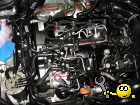
The diesel particulate filter in my car is already almost full, with 59g of ash, which is close to the (theoretical) limit of 60g. (Current total mileage is approximately 210,000 km, Passat B6/3C, BMP engine, about 11 years old.)
The differential pressure is normal in all driving situations (I regularly monitor this with VCDS on longer trips), and the regeneration cycle is still occurring regularly (approximately every 350 to 370 kilometers).
However, I have the impression that the regeneration phase (with temperatures around 800 degrees before the exhaust turbocharger and around 650 degrees in the particulate filter) is now taking significantly longer than usual. (Under normal operating conditions, the temperatures are around 400 and 300 degrees, respectively.)
The differential pressure of the particulate filter is around 50 under normal driving conditions, and between 70 and 100 during normal acceleration.
I plan to have the diesel particulate filter removed and cleaned next week by one of the larger commercial providers, as I don't feel confident doing it myself. This will require the vehicle to be at the provider's workshop for two to three days, where they will also make the necessary adjustments to the vehicle's electronics and perform the relevant tests.
In this forum, I did some research (including reading technical articles
https://community.dieselschrauber.org/en/viewtopic.php?t=24243),) to find out which values are typically adjusted after PDF cleaning (or will change because the particulate filter becomes 'less restricted').
I wanted to record these values so that I could have a comparison point after receiving the vehicle back.
It makes sense that the value for the ash mass is being adjusted. I also understand that the pressure difference in the particulate filter should decrease.
Which other values might change, and therefore should I keep an eye on?
I would also be grateful for any other tips on what I should pay attention to regarding the order and its execution.
Thank you in advance.


 Bookmarks
 Links
 Garage
 FAQ, Legal Notice & Privacy
 RSS Feed
 Register
 Login